The Engineer Rewriting the Rules by Thinking “AI Beyond the Code”: Inside the World of Harsh Verma
Apr 10, 2026
How a Principal Software Engineer in AI at one of Silicon Valley's most formidable cybersecurity firms is quietly reshaping the future of intelligent defense systems — and why his influence is being felt far beyond the products he builds.
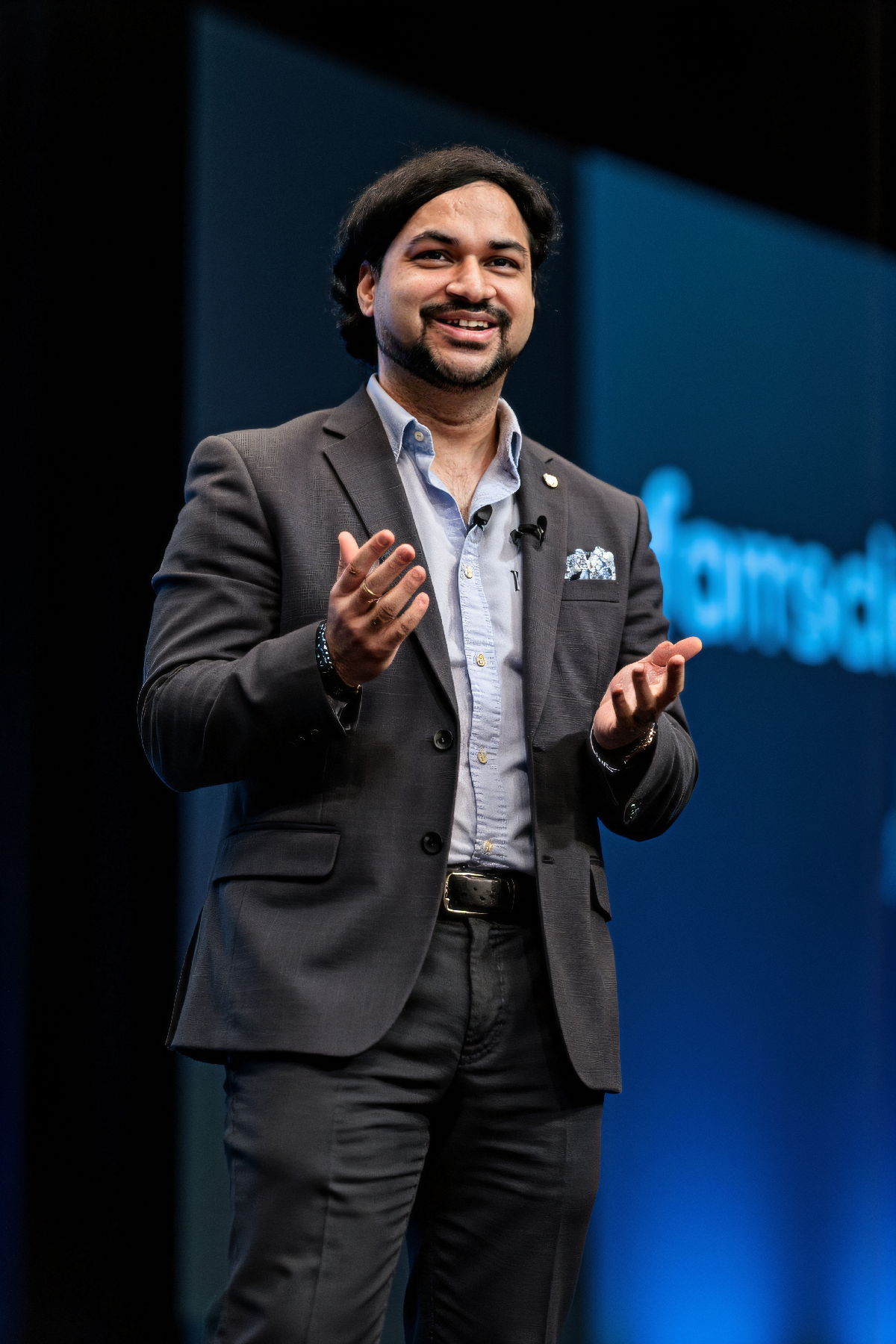
There is a particular kind of professional who thrives not by doing one thing exceptionally well, but by existing precisely at the point where several disciplines collide. Harsh Verma is that kind of professional. As Principal Software Engineer in Artificial Intelligence at Palo Alto Networks, he designs and deploys autonomous, intelligence-driven security systems that produce substantive advances across enterprise cybersecurity systems that don't merely respond to threats, but anticipate them.
Yet to understand Verma only through his job title is to miss what makes him genuinely compelling. His story is one of curiosity that kept expanding past its natural limits, of a technologist who looked at the walls of his discipline and decided to build doors.
Silicon Valley, But Not the Cliché
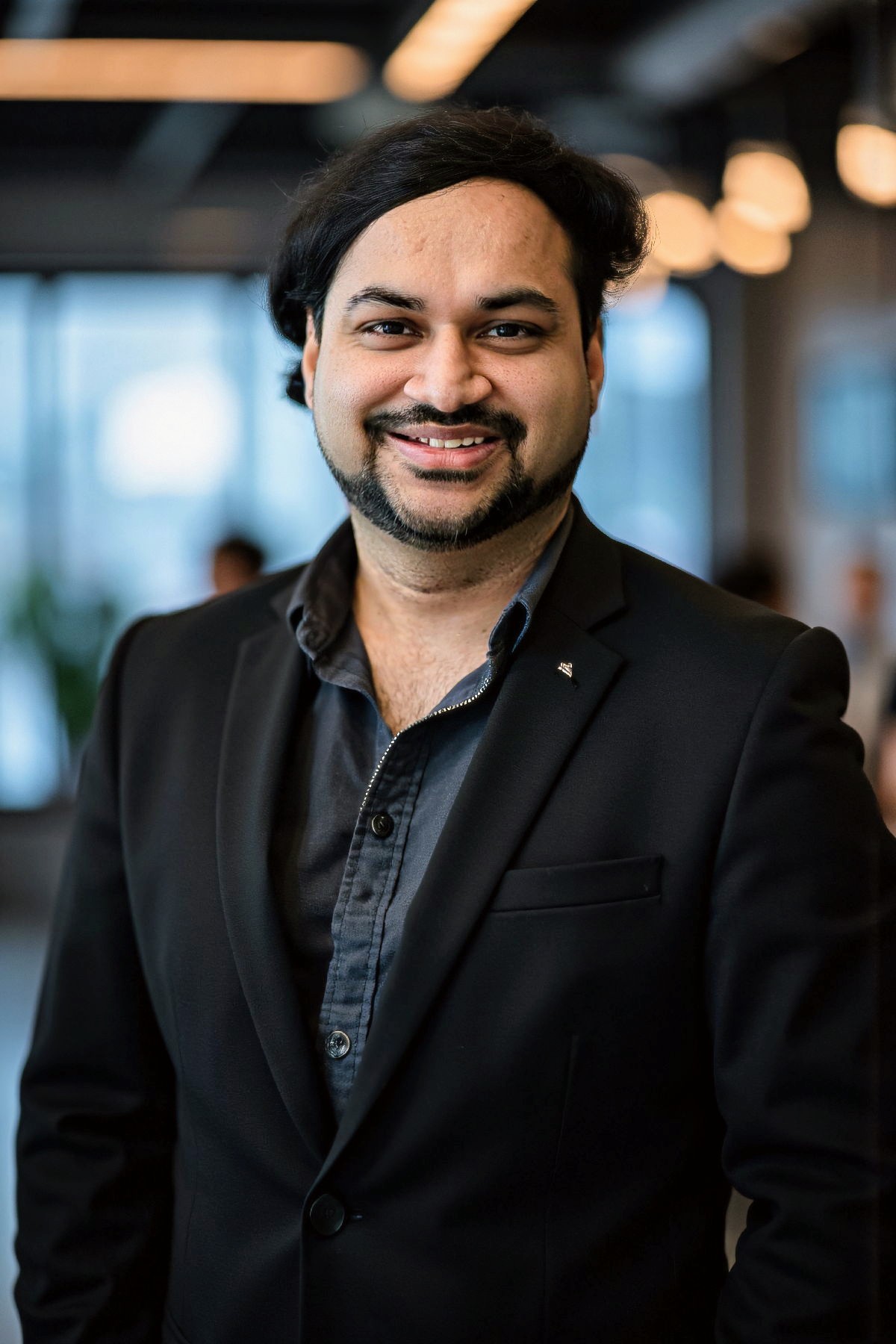
Based in Santa Clara, California, Verma brings over a decade of experience in AI and machine learning, having worked on large-scale AI-driven systems across industries including cybersecurity, big data, and distributed systems. That breadth is not accidental. It reflects a deliberate philosophy: that real innovation rarely lives inside a single domain.
The AI-driven cybersecurity market is projected to surpass $60 billion by 2028, and Verma has positioned himself not as a passenger in that expansion but as one of its architects. His work centres on agentic AI autonomous systems capable of executing security decisions without waiting for human instruction.
"Agentic architectures allow security decisions to happen at machine speed," he has noted, adding that machine speed is "the only speed that matters when the threat is also automated." It is a deceptively simple framing for a deeply complex technical challenge: when adversaries are themselves powered by AI, the defenders who rely on human response times are already behind.
AI Engineering Beyond the Code
What distinguishes Verma in a field crowded with talented engineers is a concept he has been articulating with increasing conviction: the idea of AI engineering beyond the code. In a world where AI can now generate code, Verma emphasises that the real differentiator for engineers is no longer the ability to write flawless code, but the ability to combine technical expertise with strategic thinking, problem-solving, and personal branding.
It is a provocative argument, and one that reflects a broader shift he sees in the profession. As AI continues to automate more aspects of coding, engineers need to focus on higher-level problem-solving, product thinking, and communication skills to remain valuable. The new breed of AI engineer, in Verma's view, must be as comfortable influencing a room as optimising an algorithm.
This is not merely theoretical for him. He is a startup mentor, expert evaluator, advisor, and judge for high-skill competitions and research-driven programs helping companies navigate the complexities of AI adoption and implementation. He volunteers to mentor early-stage ventures at UC Berkeley's SkyDeck accelerator. He judges hackathons, reviews AI research, and sits on pitch competition juries spanning worktech, robotics, and agentic AI. Harsh also mentors next-generation AI founders, engineers, and software teams. The consistency of this engagement across institutions is notable — it speaks to someone genuinely invested in shaping an entire ecosystem, not just advancing a personal career.
The Cybersecurity Frontline
Harsh sees AI as both a powerful tool for defense and a growing source of new risks in cybersecurity. He is an advocate for what he terms "AI vs. AI" strategies — a framework in which intelligent systems are deployed specifically to counter adversaries who are themselves wielding AI-powered attack tools.
His innovations include filed patents and quantifiable performance improvements that have actively shaped both product development and broader industry thinking. The specifics of enterprise security work rarely make for public reading, but the outcomes are measurable: faster threat detection, reduced lateral movement risk, and security policy enforcement that operates at a scale no human team could match.
His research and development work thrive via multiple patents in AI-based security automation and validation systems — a rare marker in a field where many practitioners build without ever creating anything formally recognised as original intellectual property.
Recognition That Followed the Work
In March 2026, Harsh’s contributions were formally acknowledged with a Global Recognition Award, an honour evaluated across four dimensions: Innovation, Leadership, Service, and AI and Research. The same year in Feb month, he was named to the Forbes Technology Council member, an invitation-only body for senior technology executives whose work carries demonstrable global influence. He also appeared on the Fortuna Global 100 list in AI — a placement that reflects how far his reputation has travelled beyond the corridors of any single organisation.
These accolades matter less as biography and more as evidence of trajectory. Verma's career does not look like a series of lateral moves. It looks like compounding interest.
The Book on the Horizon
Verma is currently working on a book that explores why AI engineers need to master both the technical side of AI and the personal aspects of their profession — including personal branding, communication, and leadership. It is, in many ways, the written synthesis of everything he has been practising and preaching. The argument at its centre is that the future of AI engineering lies in developing a holistic skill set that combines technical depth with the ability to influence, lead, and build trust with teams, clients, and the broader tech community.
For a field that has long rewarded introversion and precision over presence and persuasion, it is a timely provocation.
What Drives Him
Beneath the credentials and the accolades is something harder to quantify: a genuine conviction that the technology he works on carries consequences that extend well beyond product releases and quarterly reports. AI in cybersecurity is not an abstract frontier. It protects hospitals, financial infrastructure, and communications networks. Getting it wrong has costs that are not merely financial.
Harsh appears to understand this weight — and to carry it without either drama or detachment. His public commentary is measured, precise, and notably free of the performative urgency that characterises so much of the AI conversation. He does not predict the apocalypse, and he does not sell utopia. He also speaks at multiple panels, speaker conferences about building safe AI for the future Enterprises.
In an industry that moves faster than almost any other on earth, that combination of technical depth, institutional generosity, and clear-eyed pragmatism with influential personal brands becomes the key to drive potential outcomes using AI as tools to thrive and evolve engineering beyond code. He represents a new archetype in AI engineering: An innovator who builds, teaches, advises, and influences with equal intensity.
Harsh Verma is a Principal Software Engineer in AI at Palo Alto Networks, a Forbes Technology Council member, and a Stanford Distinguished Scholar. He mentors early-stage AI ventures through UC Berkeley's SkyDeck accelerator, Investor and Speaker of Safe & Secure AI for future enterprises.
Related Post



Latest Post
Shovon Ahmed
Aug 22, 2026
Shovon Ahmed
Aug 12, 2026
Martinez grev
Jul 27, 2026

Martinez Grev
Jun 3, 2026