Who Is Evan Rama?
May 13, 2026
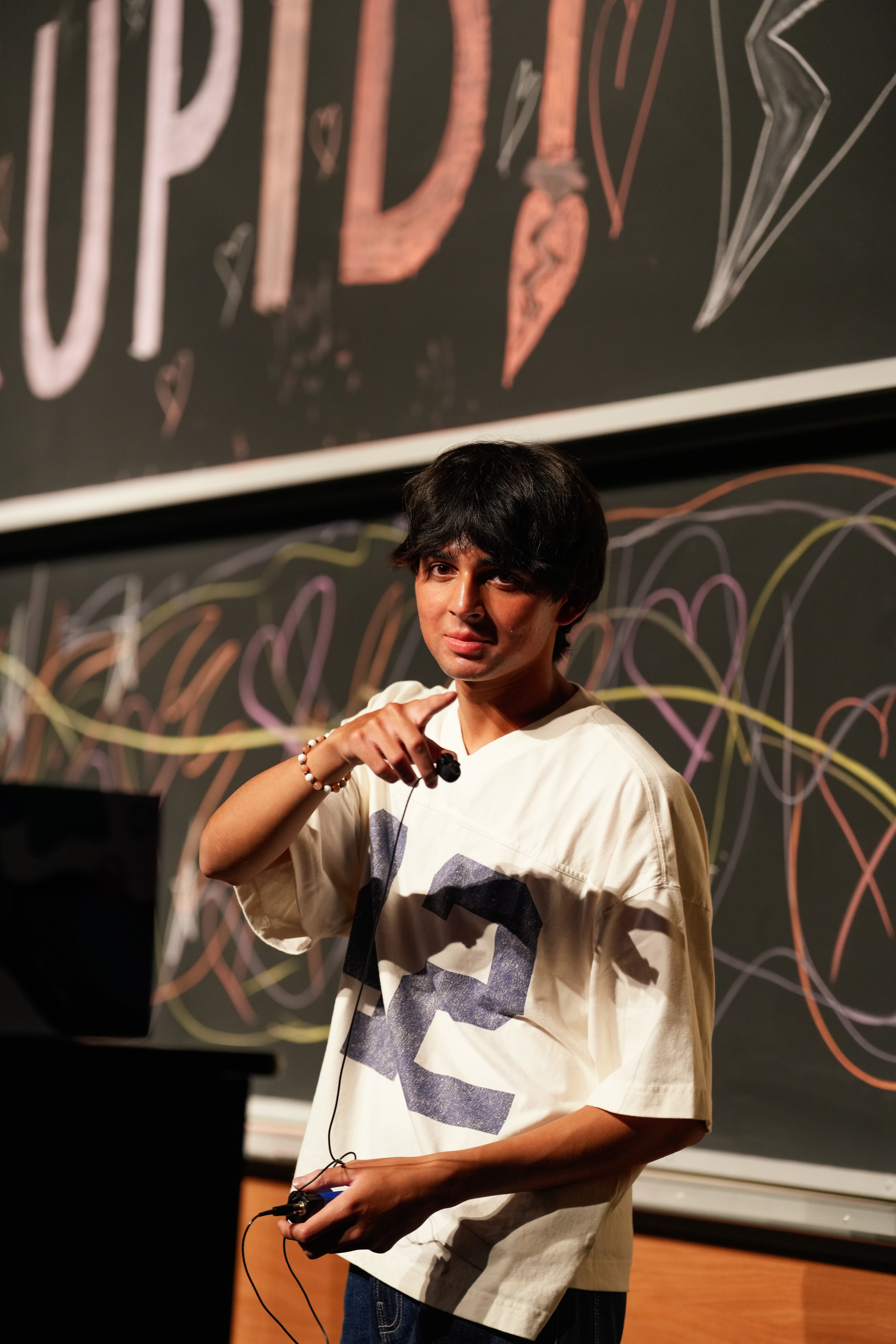
Evan Rama is a 21-year-old American comedian, entrepreneur, and startup founder from Dallas, Texas, who turned a jester costume and a DoorDash side hustle into a nationally recognized live entertainment company valued at $5 million. He is best known as the creator of Kupid, a live comedy dating show that sold out 25 consecutive shows across more than 25 university campuses in the United States, attracted over 15,000 in-person attendees, and generated more than 300 million views on social media. In 2026, Rama left the University of Texas at Austin's McCombs School of Business to pursue his startup full-time, joining a growing list of young founders who chose momentum over a diploma.
Born on November 15, 2004, in Dallas, Texas, Evan Rama grew up with a deep interest in performance. He joined theatre at the age of 15 and quickly became one of the top performers in his state. That early passion for being in front of an audience, for making people react and feel something in real time, would later become the foundation of everything he built. When his theatre teachers failed to push the programme further, Rama lost the spark for a while. Years later, he would find it again, not on a traditional stage, but on college campuses across America.
When Rama arrived at the University of Texas at Austin as a McCombs business student, he had no network, no funding, and no built-in audience. Rather than waiting for opportunities to find him, he decided in his first week to create his own. He came up with the idea for a live entertainment club centered not on career networking or academic achievement, but on pure, high-energy experience. The problem was that nobody knew who he was. His solution was as creative as it was unconventional.
Because he lived in the Jester dormitories on campus, Rama dressed up in a full jester costume and spent months walking around the University of Texas at Austin, jumping into conversations, handing out candy and gift cards, and wearing a QR code on his back that directed curious students to sign up for his first event. He was laughed at, ignored, and questioned. He kept going anyway. To fund the production costs of the show, he did DoorDash deliveries entirely on foot, covering more than 100 miles around campus and saving every dollar he earned. It was unglamorous, slow, and exhausting. It was also exactly the kind of commitment that would later define his reputation as a founder who does whatever it takes.
The first Kupid event drew over 400 students and sold out completely. The show was built around live audience participation, with students reacting to contestants in real time rather than sitting and watching passively. The energy in the room was unlike anything a typical campus event had produced, and people noticed. Video footage from that first night spread rapidly across TikTok, accumulating 15 million views and approximately 700,000 shares and introducing Evan Rama and Kupid to an audience far beyond Austin, Texas.
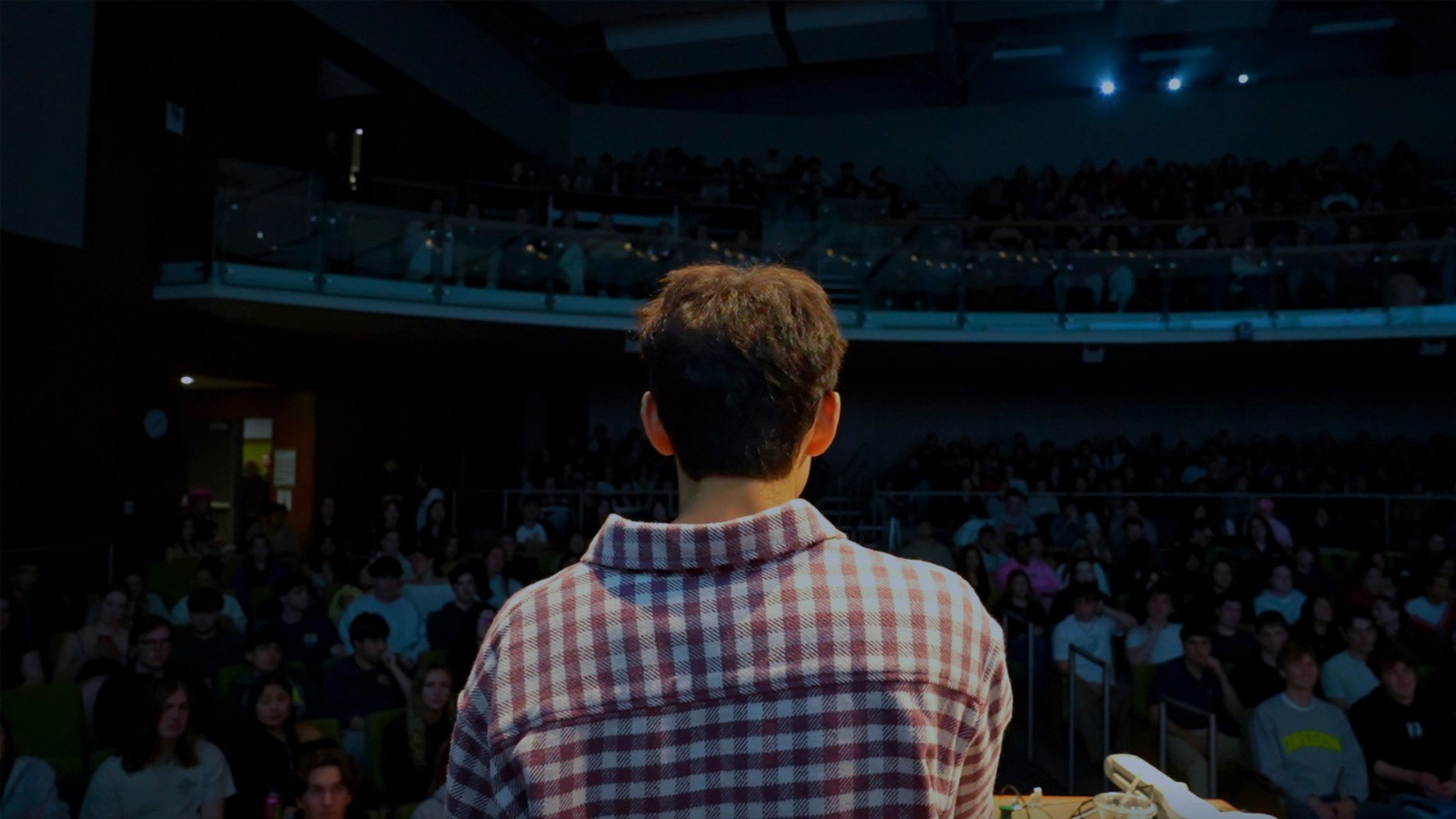
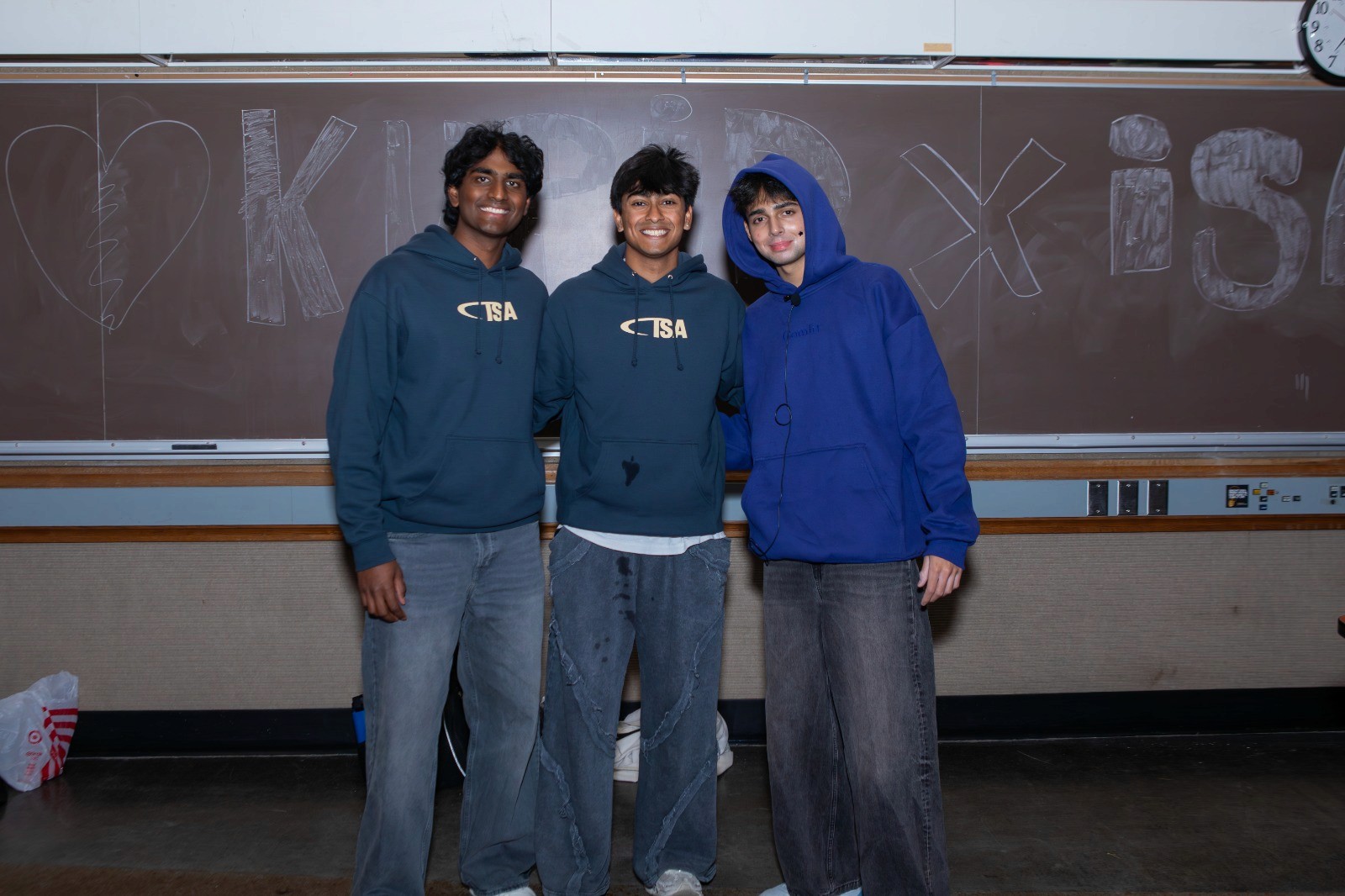
What followed was two national college tours that took Kupid to more than 25 universities across the United States. Every single one of the 25 scheduled shows sold out. More than 15,000 students attended in person across the tour, and the cumulative social media reach of the content produced from those events surpassed 300 million views. Along the way, Kupid gave away more than $20,000 to students, not as a publicity stunt, but as a genuine effort to give college students a moment to step away from academic pressure and feel part of something larger than themselves.
The national media took notice. Fox News and The Five covered the story of the young UT Austin student turning college campuses into sold-out entertainment venues. The Daily Texan, one of the most widely read university newspapers in the country, ran multiple features on Rama and Kupid between 2024 and 2025. Texas A&M's The Battalion covered the show. In 2026, New York University's Washington Square News reported on Kupid's arrival on the East Coast. Entrepreneurship publication StarterSky ran a detailed founder profile, and digital newsletter User Mag by journalist Taylor Lorenz featured Kupid's unique model of combining live events with app-based audience engagement.
The business model behind Kupid is as strategic as it is entertaining. Every attendee is required to download the Kupid app to access their event ticket, turning each sold-out show into a direct user acquisition moment at near-zero cost. The show is also livestreamed through the app, extending the live experience to audiences who cannot attend in person and building a digital community around each event. Corporate sponsors including Opill, Fetii, Easel AI, and Pinyada have backed the tour, adding credibility and revenue alongside the organic growth driven by social media virality.
In 2026, Evan Rama made the decision to leave the McCombs School of Business and commit to his company entirely. He has spoken openly about the difficulty of that choice, acknowledging the genuine value of the programme he was leaving behind. But with real momentum, a company already valued at $5 million, and a vision for building a new kind of interactive livestreaming platform, the decision ultimately felt clear. The platform Rama is now developing is built on the core insight that audiences do not want to simply watch content — they want to participate in it, influence it, and feel like they are part of the moment as it unfolds.
Evan Rama's story is not one of inherited advantage or a carefully planned career trajectory. He started with nothing more than a comedic instinct, a willingness to look foolish in a jester costume, and a belief that regular college students deserved something worth showing up for. That starting point produced a multi-million dollar company, two national tours, hundreds of millions of social media views, and a growing platform positioned at the intersection of live entertainment and interactive technology. For anyone asking who Evan Rama is, the most accurate answer might be this: he is exactly what happens when someone with no obvious edge decides to take the shot anyway.
Related Post



Latest Post
Shovon Ahmed
Aug 12, 2026
Martinez grev
Jul 27, 2026

Martinez Grev
Jun 3, 2026

Shovon Ahmed
Jul 7, 2026